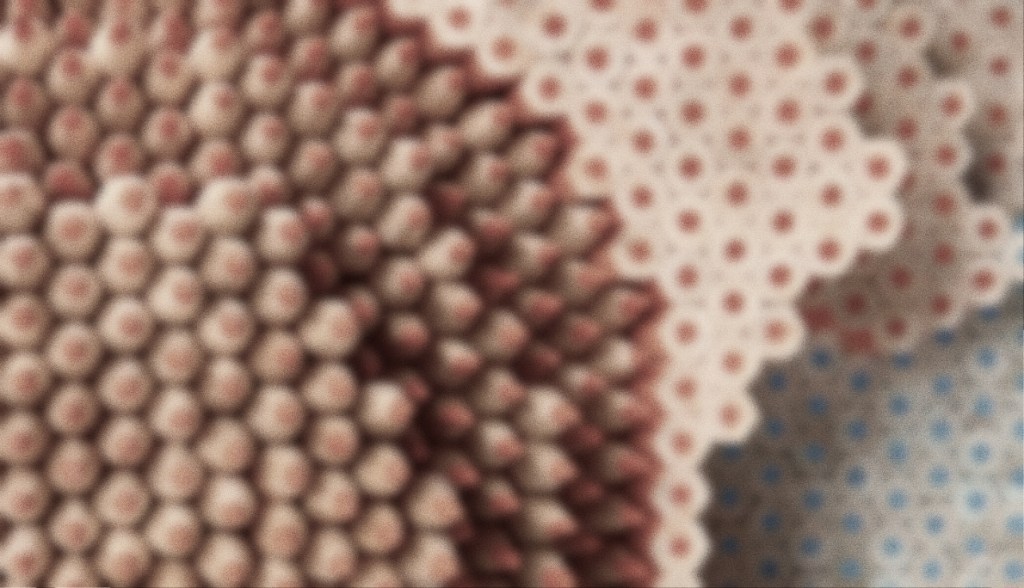
Can nature be obsessive?

I always needed the pieces to fit.

Before I understood concepts such as compulsive behaviour, I was already arranging, sorting and constructing. I was drawn to symmetry, patterns and repetition. While other children seemed content with the finished result, I was often more interested in the process of organising the parts.

That instinct never disappeared.

For most of my professional life I worked in marketing and advertising. It suited many aspects of my personality: precision, complexity, focus and an appetite for detail. Over time, however, those same qualities became increasingly difficult to contain.

Eventually I was diagnosed with Obsessive Compulsive Disorder. Alongside it came severe stress, which manifested physically as Somatoform Disorder. At its most intense, I experienced persistent electrical shock-like sensations moving throughout my body and the difference between mental and physical distress became very difficult to separate.

Sculpture entered my life during that period as a way of relief and distraction. At that time what interested me was less self expression. It was process.

The repetitive actions involved in making – building, refining, adjusting, repeating – felt immediately familiar. The difference was that, within my studio, repetition produced something tangible. It generated form rather than anxiety. The sculptures emerged from part of the same impulse that had also created difficulty: a need to organise complexity into something coherent.

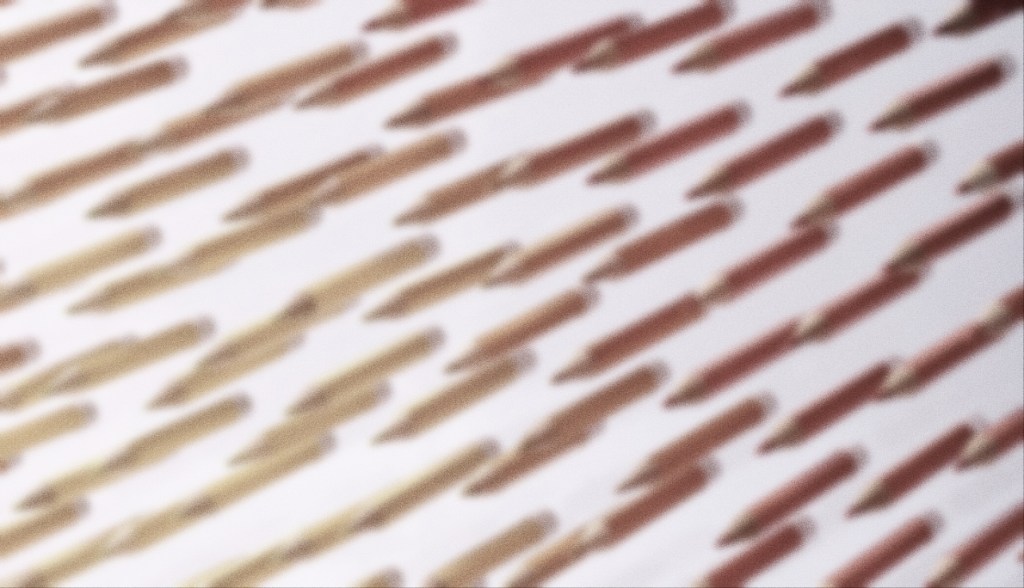
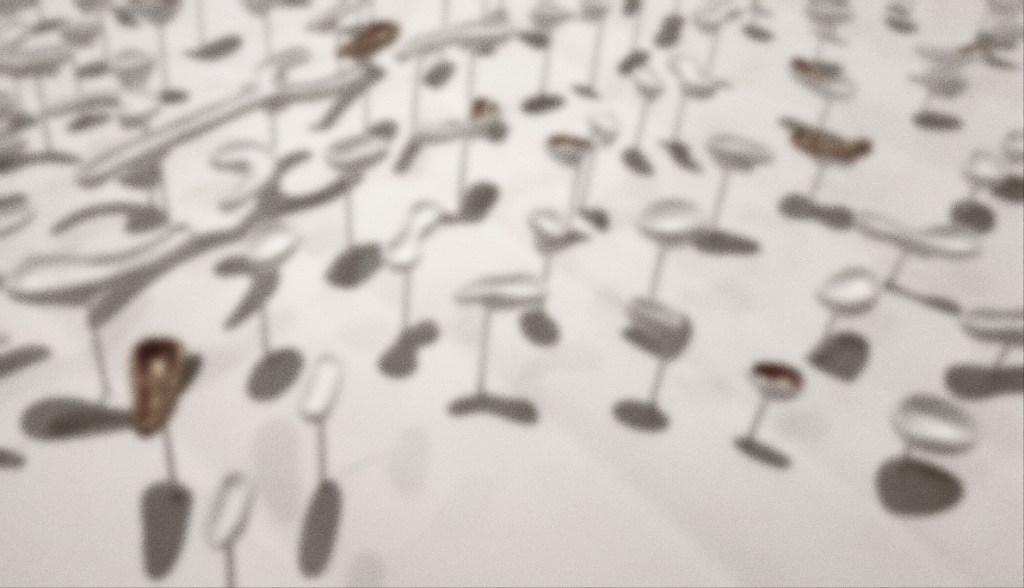
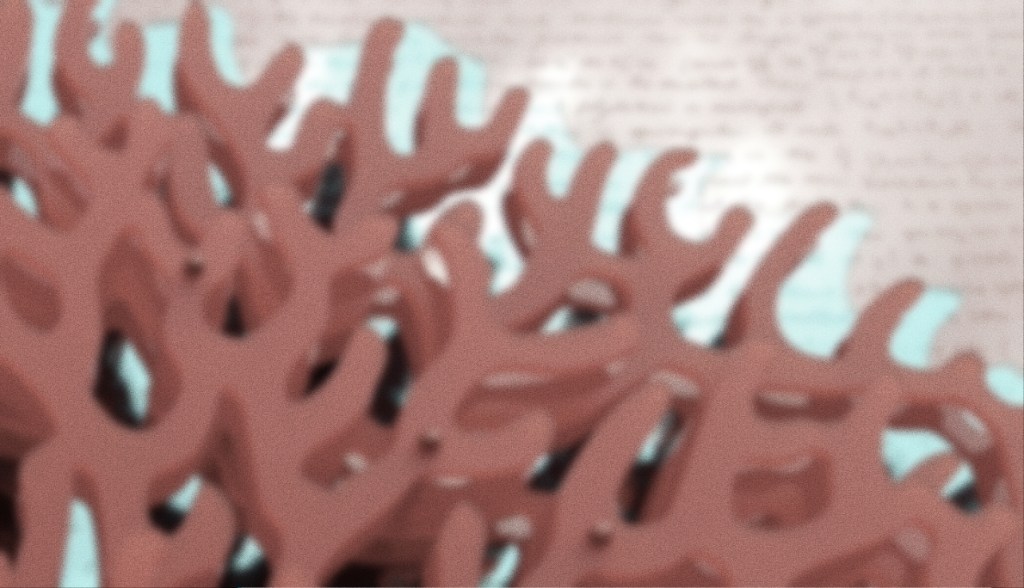
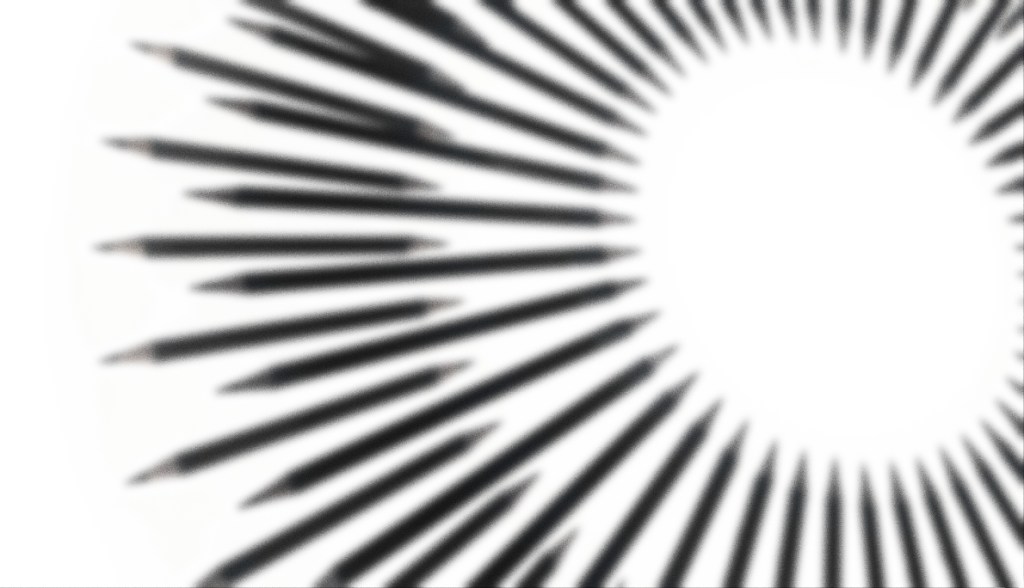
Many of my works take their starting point from structures found in nature. Branching, spirals, clusters and accumulations. Patterns that appear across different scales.

While making, I often return to the same question: Can nature be obsessive?

Nature relies on repetition. It repeats successful solutions continuously. Branches divide into smaller branches. Cells replicate. Waves arrive one after another. Similar forms reappear across species and environments. Yet nature rarely appears trapped by its repetitions.

People often are.

The sculptures are not illustrations of OCD, nor are they attempts to explain it. Instead, they examine repetition itself: why it exists, why it persists and why the human mind is so often compelled to search for order within complexity.

Each piece develops through the accumulation of small decisions. Units become structures. Structures become systems. Systems begin to suggest something larger than the components from which they are built.

In that sense, the work mirrors the processes that generate it. A repeated action eventually becomes something else entirely. A way of seeing.

Not a pattern. A form.

Pure
Flux
Rise
Time
Bloom